> Overview: Products
> Overview: News
> Overview: Service
> Overview: About
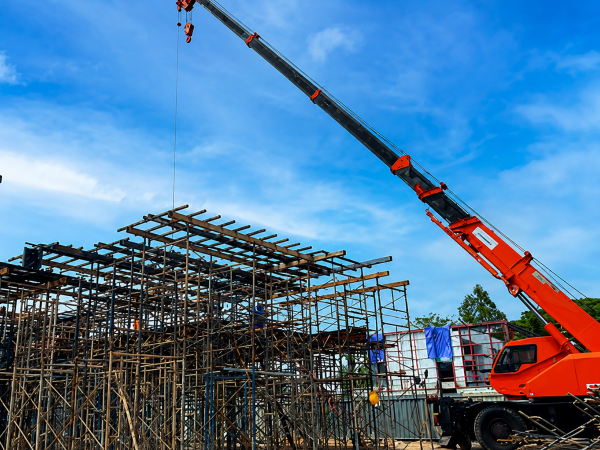
Tower cranes are among the most vulnerable pieces of equipment on construction sites when high winds strike. Their tall profiles and long jibs catch wind loads that can exceed design limits, leading to catastrophic failures. With extreme weather events becoming more frequent, a robust wind safety protocol is not just regulatory compliance—it's a matter of life and safety.
Understanding Wind Risks
Tower cranes typically operate within limits of 45–55 km/h, with lower thresholds for large-surface-area loads. Beyond these limits, dynamic wind effects impose far greater stresses than steady-state calculations. The most dangerous scenario is a crane left unattended with a suspended load when winds rise unexpectedly.
Pre-Storm Preparation
Key preparatory steps include: lowering the jib to allow free slewing, removing loose materials, disconnecting electrical supply, and parking the crane in a minimized exposure position. Modern cranes equipped with anemometers provide real-time data and trigger automatic alerts when thresholds are approached.
Operational Limits and Emergency Procedures
Clear limits must be enforced. The operator should cease work when sustained winds approach the manufacturer's limit. When high winds are forecast, safely land any loads, secure the hook, and position the jib to weathervane freely. Personnel should evacuate the cabin once safe stowage is confirmed.
Post-Event Inspection and Training
After the event, a thorough inspection is mandatory—checking for structural deformation, loose bolts, damaged lines, and safety system function. Any damage should ground the crane until cleared by an engineer. Regular drills and weather monitoring ensure operators and crews can execute the protocol without hesitation. In an era of climate uncertainty, tower crane wind safety demands vigilance and a culture of "better safe than sorry."

Shield Machine Cutter Wear: Detection Technologi
287View · 2026-08-04
Crane Anti-Tilt Tech Boosts Safety
281View · 2026-07-28

HITACHI and GRAVIS Robotics Showcase Autonomous
757View · 2026-06-22
Digital Technologies Drive Smarter Roadbuilding
577View · 2026-04-23
Excavator Truck Loading Techniques: Improving Ef
929View · 2026-03-24
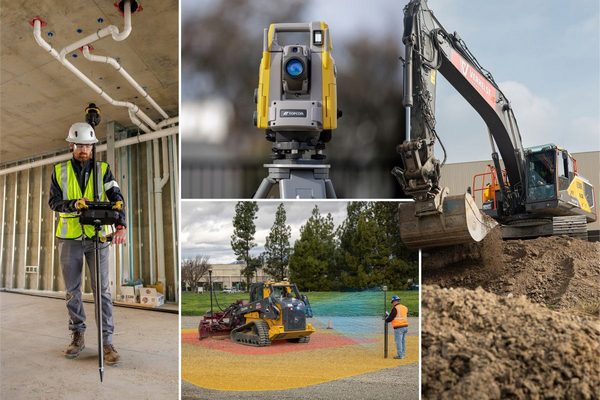
Topcon Positioning Systems Launches New 3D Machi
758View · 2026-03-20
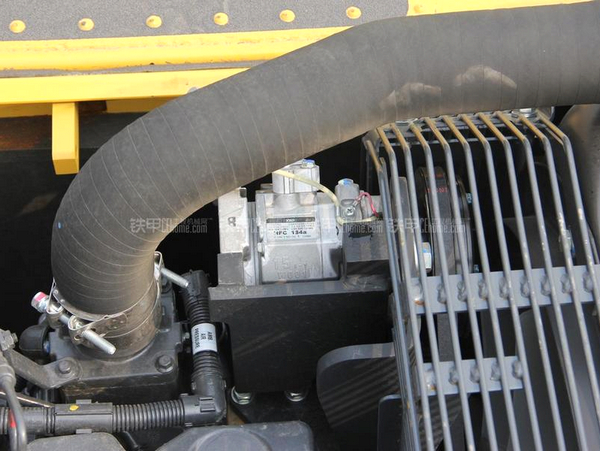
Excavator Air Conditioning: Proper Use and Maint
1104View · 2025-12-25
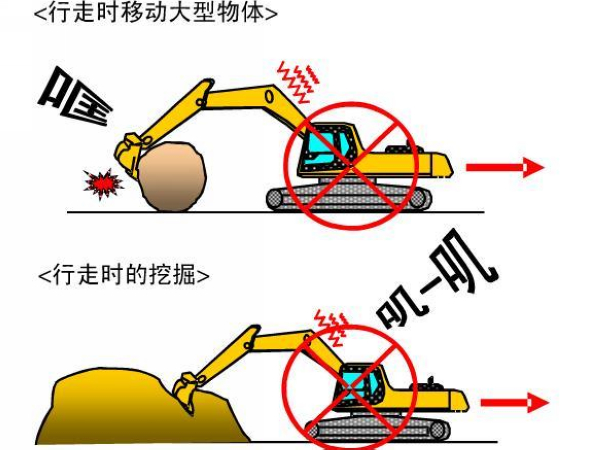
Four Prohibited Operations for Excavators
1142View · 2025-10-29
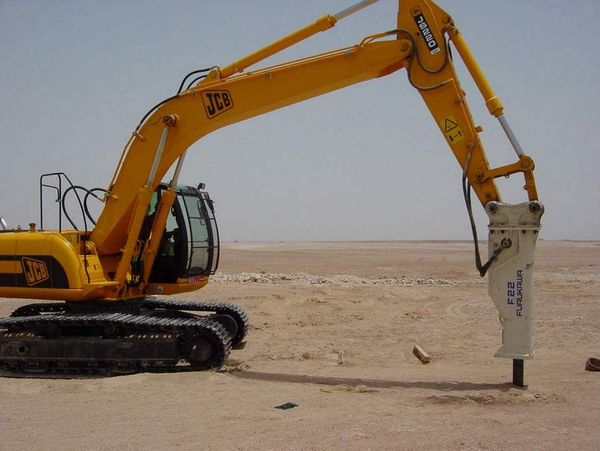
How To Properly Maintain And Use A Hydraulic Br
1350View · 2025-07-28
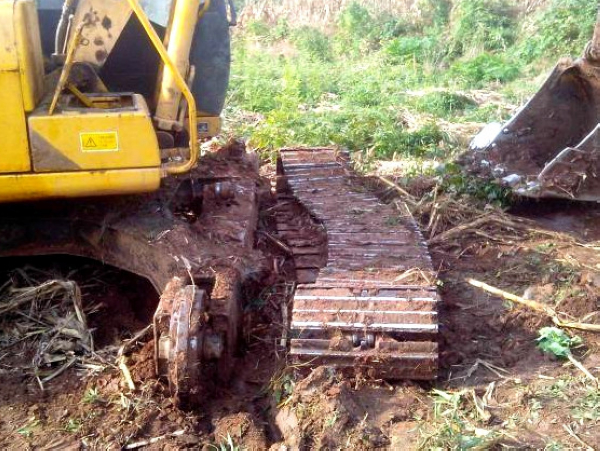
Special Techniques For Excavator Tracks
1467View · 2025-07-22
Techniques For Improving The Efficiency Of Excav
1502View · 2025-06-24
Explanation Of Excavator Slope Brushing Technolo
1488View · 2025-05-20
Troubleshooting Oil-Water Mixing in Excavator En
2150View · 2025-04-29
Prevention And Emergency Treatment Of Excavator
1970View · 2025-04-17
Hydraulic Oil Overheating Solution Skills
1532View · 2025-03-26
Scientific Use Of The Crushing Hammer
1774View · 2025-03-14
Tips About Excavator Lifting
1774View · 2025-02-18
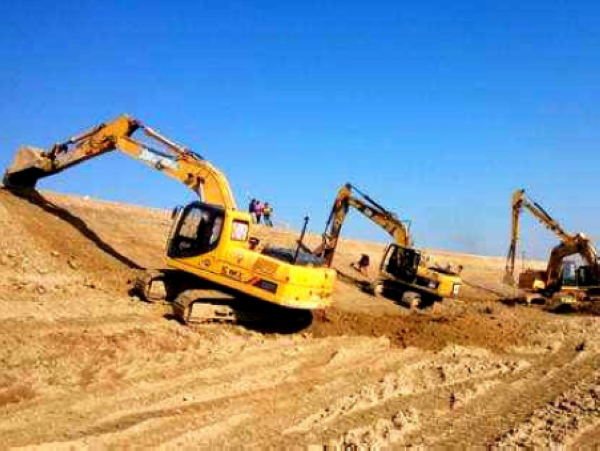
Excavator Brush Technique Tips
1771View · 2025-01-14
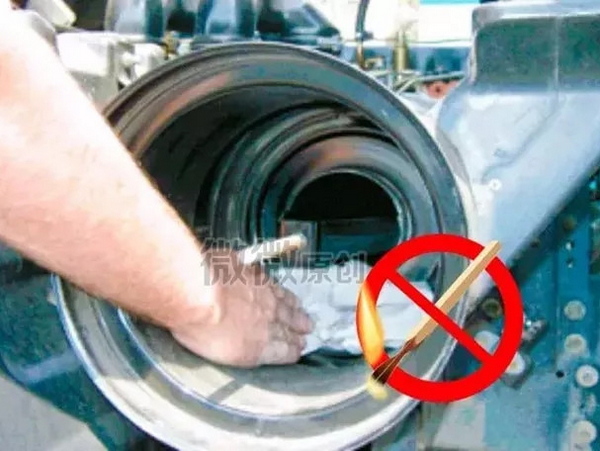
Excavator Ten Inspection Items
1674View · 2024-12-24
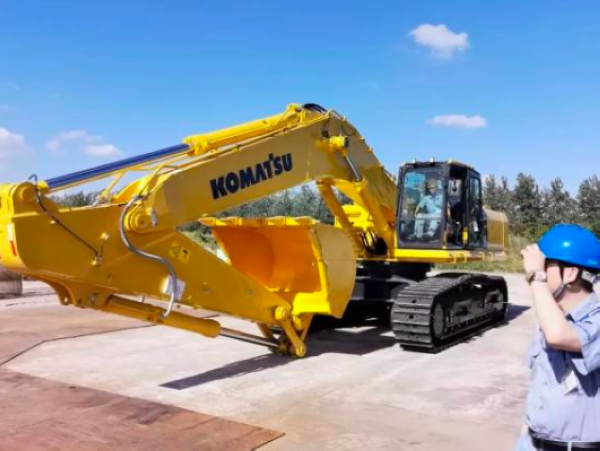
Guide To Comprehensive Inspection Of Machinery
1635View · 2024-12-17
2020-07-08
2020-08-24
2019-12-25
2020-01-21
2019-11-01
2019-10-15
2021-02-01
2021-01-14
2020-12-11
2020-10-26
2020-07-04
2020-09-30

+86-532-8579-6888
+86-532-8579-6888
+86-138-1796-0597
+86-189-5203-1496
Suite 2505, Block A, China Railway Qingdao Center, No. 8 Hong Kong Middle Road, Shinan District,Qingdao, Shandong Province, China